Bringing Milk Sheep to Life in Handmade Creations
I was designing a set of candle labels the other day, and I needed a font that felt both playful and authentic. That’s when I found Milk Sheep. The moment I saw it, I knew it would be perfect for my handmade shop. It has this gentle charm that makes everything feel more personal and inviting.
A Font with Personality
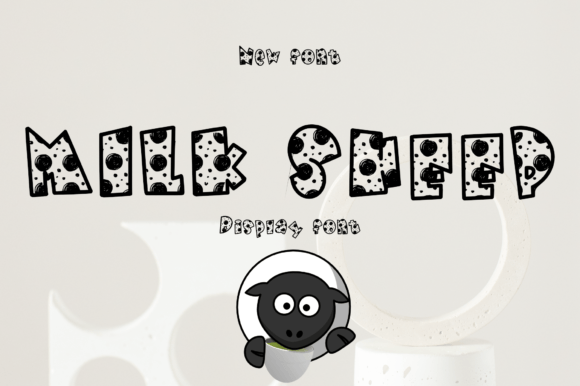
Milk Sheep isn’t just another decorative font—it’s a character. Its soft curves and whimsical shapes give off a sense of warmth and nostalgia, like a handwritten note from a friend. It feels handcrafted, which is exactly what I’m going for in my products. Whether I'm making greeting cards or packaging for my small batch candles, this font adds a layer of personality that really stands out.
The visual style of Milk Sheep is incredibly versatile. It can be used for short phrases, names, or even longer text, but it shines brightest in display use. I’ve tested it on product tags, and it looks amazing at small sizes without losing its legibility. For stickers and labels, it’s easy to read and fits perfectly within the design.
Real-World Applications
I started by using Milk Sheep on my candle labels. I paired it with a clean sans serif font for the price and product details, which balanced the playful look with clarity. The result was a label that looked professional yet warm, something that made customers want to reach out and touch the glass.
Then I moved on to birthday invitations. I used Milk Sheep for the main title and kept the rest of the text in a simple script font. It gave the invitation a cozy, personal feel that matched the theme of the event. My customers loved how it added a little extra magic to their mail.
For digital printables, I’ve used Milk Sheep on planner pages and wall art. It works well with both modern and rustic designs. When I created a farmhouse-style sign for a client, I paired Milk Sheep with a bold display font for the main message. The contrast made the sign pop, and it became one of my most popular items.
I’ve also tried it on tote bags and shirts. Because Milk Sheep is a decorative typeface, I make sure to keep the text size large enough to be readable from a distance. It works especially well for boutique tags and seasonal product designs, like holiday tags and gift wrap.
Design Tips and Pairings
When using Milk Sheep, I always recommend pairing it with a complementary font. A clean sans serif font like Helvetica or Arial works well for body text, while a simple serif font like Georgia adds a bit of elegance. If you're looking for a more organic feel, a handwritten font can be a great match, too.
Before using Milk Sheep for any commercial project, I check the included styles, alternates, ligatures, and weights. It’s important to ensure that the font supports all the characters you need, especially if you're working with multilingual content or creating global products. Also, confirming that it has a commercial license is essential, especially if you plan to sell physical products, templates, or digital downloads.
Readability is key, especially when designing for cutting machines or small stickers. I always test how the font looks at different sizes and in various formats, like SVG or PNG. This helps me make sure that the final product looks as good in print as it does on screen.
For mockup previews and listing images, I use Milk Sheep in combination with high-quality background textures and colors that complement its style. It helps potential buyers visualize how the font will look on real products.
Creating with Confidence
Using Milk Sheep has transformed the way I approach my creative projects. It’s not just a font; it’s a tool that brings my ideas to life with a sense of authenticity and charm. From packaging to digital assets, it’s helped me build a brand that feels genuine and full of character.
If you're a crafter, handmade seller, or printable creator, I encourage you to try Milk Sheep in your next project. It might just become your new favorite go-to font for adding that special touch to your work.